বৈদ্যুতিক গরমকরণ রান্নার যন্ত্রপাতিগুলির নিরাপত্তা পরিদর্শন এবং কর্মক্ষমতা যাচাইকরণের ক্ষেত্রে, পরীক্ষার সরঞ্জামগুলির সম্মতি সরাসরি তথ্যের নির্ভুলতা নির্ধারণ করে।একটি মূল সহায়ক সরঞ্জাম হিসাবে, স্ট্যান্ডার্ড টেস্টজাহাজবিশেষভাবে রুটিন পরীক্ষার জন্য কাস্টমাইজডওটউপাদান, গরম প্লেট এবংবৈদ্যুতিকআল রান্নার প্লেট, এটি পরীক্ষাগার মান নিয়ন্ত্রণ, পণ্য গবেষণা এবং উন্নয়ন, এবং সার্টিফিকেশন পরীক্ষার জন্য একটি অপরিহার্য সরঞ্জাম।এটি বৈদ্যুতিক গরম করার যন্ত্রপাতি পরীক্ষার জন্য নির্ভুলতা বাধা ব্যাপকভাবে শক্তিশালী করে.
I. কঠোর সম্মতি ও উৎপত্তিঃ তিনটি আন্তর্জাতিক মানচিত্রের সাথে সামঞ্জস্যপূর্ণ
দ্যঅ্যালুমিনিয়াম পরীক্ষার পাত্রেঅ-মানক নকশা পরিত্যাগ করে।এটি আন্তর্জাতিক ইলেক্ট্রোটেকনিক্যাল কমিশন (আইইসি) এবং ইউরোপীয় স্ট্যান্ডার্ডাইজেশন কমিটি (সিইএন) দ্বারা জারি করা অফিসিয়াল স্ট্যান্ডার্ড অঙ্কনগুলির সাথে পুরোপুরি সম্মতিতে তৈরি করা হয়েছেএটি কোন মাত্রিক বিচ্যুতি এবং কোন কাঠামোগত আপস বৈশিষ্ট্য। মূল বাস্তবায়ন মান নিম্নরূপঃ
· আইইসি ৬০৩৩৫-২-৯, চিত্র ১০৩ঃগৃহস্থালি এবং অনুরূপ বৈদ্যুতিক যন্ত্রপাতিগুলির জন্য নিরাপত্তা মানের সাথে সামঞ্জস্যপূর্ণ - পার্ট 2-9. এটি গ্রিল, টোস্টার এবং অনুরূপ বহনযোগ্য রান্নাঘর যন্ত্রপাতিগুলির বিশেষ পরীক্ষার জন্য ডিজাইন করা হয়েছে।এটি পোর্টেবল বৈদ্যুতিক গরম করার পণ্যগুলির লোড সিমুলেশন এবং তাপমাত্রা বৃদ্ধি পরীক্ষার প্রয়োজনীয়তা পূরণ করে.
· আইইসি ৬০৩৩৫-২-৬, চিত্র ১০১ঃস্থির চুলা, রান্নাঘর, চুলা এবং অনুরূপ সরঞ্জামগুলির জন্য সুরক্ষা মানগুলি পূরণ করে। এটি এমবেডেড বৈদ্যুতিক চুলা এবং উচ্চ-শক্তির হিটিং প্লেটের পারফরম্যান্স পরীক্ষার জন্য ডিজাইন করা হয়েছে।এটি স্থির বৈদ্যুতিক গরম করার সরঞ্জামগুলির পরিদর্শনগুলির সম্মতি নিশ্চিত করে.
· EN 30-1-1, চিত্র C.2:বৈদ্যুতিক গরম করার জন্য রান্নার যন্ত্রপাতিগুলির জন্য নির্দিষ্ট ইউরোপীয় মানদণ্ডের সাথে সঙ্গতিপূর্ণ।এটি ইইউ বাজারের অ্যাপ্লায়েন্স সার্টিফিকেশন এবং রপ্তানি মান পরিদর্শন জন্য বৈদ্যুতিক গরম প্লেট পরীক্ষার প্রয়োজনীয়তা পূরণ করেএটি অভ্যন্তরীণ এবং আন্তর্জাতিক উভয় পরিদর্শন জন্য মসৃণ সম্মতি চ্যানেল স্থাপন করে।
এই তিনটি স্ট্যান্ডার্ড পোর্টেবল এবং স্থির বৈদ্যুতিক গরম রান্নার যন্ত্রপাতি সব শ্রেণীর জন্য প্রযোজ্য।অ্যালুমিনিয়াম পরীক্ষার পাত্রেএই স্ট্যান্ডার্ড ক্লজুলের প্রয়োজনীয়তার সাথে পুরোপুরি খাপ খায়। এটি সরাসরি তৃতীয় পক্ষের ল্যাবরেটরি, এন্টারপ্রাইজ কোয়ালিটি ইন্সপেকশন রুমে স্থাপন করা যেতে পারে,এবং রিসার্চ অ্যান্ড ডেভেলপমেন্ট ইনস্টিটিউশনএটি কার্যকরভাবে পরীক্ষার ব্যর্থতা বা অ-সম্মত ফিক্সচারগুলির কারণে শংসাপত্র প্রত্যাখ্যানের ঝুঁকি দূর করে।
II. দৃঢ় পণ্য বৈশিষ্ট্যঃ নির্ভুলতা এবং স্থায়িত্ব ভারসাম্য
1.উপাদান সম্মতি & অভিন্ন তাপ পরিবাহিতা
আমরা ইন্ডাস্ট্রিয়াল গ্রেডের বাণিজ্যিক বিশুদ্ধ অ্যালুমিনিয়াম নির্বাচন করি। পাত্রটিতে কোনও লেপ বা প্লাটিং নেই, অ্যালুমিনিয়ামের মূল তাপ পরিবাহিতা সংরক্ষণ করে।এটি অভিন্ন এবং স্থিতিশীল তাপ স্থানান্তর নিশ্চিত করে, যা পরীক্ষার ফিক্সচারগুলির ধ্রুবক তাপ পরিবাহিততার জন্য মূল মানের প্রয়োজনীয়তা পূরণ করে। পাত্রের দেহ একটি সমন্বিত ছাঁচনির্মাণ প্রক্রিয়া গ্রহণ করে,নীচের এবং পাশের দেয়ালের মধ্যে নিরবচ্ছিন্ন সংযোগ সহএটি ঝালাই ফাঁক এবং স্প্লাইসিং ত্রুটিগুলি দূর করে, পরীক্ষার সময় ফুটো এবং বিকৃতি রোধ করে এবং ফিক্সচারটির পরিষেবা জীবন বাড়ায়।
2.সম্পূর্ণ স্পেসিফিকেশন এবং শক্তিশালী অভিযোজনযোগ্যতা
পণ্যটি একটি বৃত্তাকার, সমতল নীচের কাঠামোর বৈশিষ্ট্যযুক্ত এবংঢাকনাপরীক্ষার সময় বাষ্প হ্রাস রোধ করার জন্য, যা ডেটা প্রভাবিত করতে পারে। নীচে কঠোরভাবে মান প্রয়োজনীয়তা মেনে চলেঃ কোন protrusions, এবং 0.05mm বেশী একটি নীচের সমান্তরাল।এই গরম প্লেট এবং উপাদান সঙ্গে পূর্ণ যোগাযোগ নিশ্চিত, বাস্তব রান্না লোড শর্ত অনুকরণ।
স্ট্যান্ডার্ড স্পেসিফিকেশনগুলি মূলধারার হিটিং জোনের আকারের সাথে খাপ খায়। অনিয়মিত হিটিং জোনগুলির জন্য কাস্টমাইজড অ-বৃত্তাকার সংস্করণ উপলব্ধ।
|
গরম করার অঞ্চল ব্যাসার্ধ (মিমি)
|
পাত্রের মুখের ব্যাসার্ধ (মিমি)
|
পাত্রের উচ্চতা (মিমি)
|
দেয়াল/বেস বেধ (মিমি)
|
|
≤ ১১০
|
110
|
140
|
২±০।5
|
|
১১০-১৪৫
|
145
|
140
|
২±০।5
|
|
১৪৫-১৮০
|
180
|
140
|
২±০।5
|
|
১৮০-২২০
|
220
|
120
|
২±০।5
|
|
২২০ থেকে ৩০০
|
300
|
100
|
২±০।5
|
III. মূল পরীক্ষার দৃশ্যকল্পঃ বৈদ্যুতিক গরম করার যন্ত্রপাতিগুলির রুটিন পরিদর্শন উপর ফোকাস
স্ট্যান্ডার্ড টেস্ট অ্যালুমিনিয়াম পট বিশেষত গরম করার উপাদান এবং বৈদ্যুতিক গরম করার প্লেটগুলির রুটিন কর্মক্ষমতা এবং সুরক্ষা পরীক্ষার জন্য ব্যবহৃত হয়। মূল অ্যাপ্লিকেশন দৃশ্যকল্পগুলির মধ্যে রয়েছেঃ
● বৈদ্যুতিক চুলা এবং এমবেডেড হিটিং প্লেটের জন্য তাপমাত্রা বৃদ্ধি এবং তাপীয় দক্ষতা পরীক্ষা।
● পোর্টেবল গ্রিল, বৈদ্যুতিক বেকিং প্যান এবং মাল্টি-ফাংশনাল রান্নার পাত্রের জন্য লোড সিমুলেশন পরীক্ষা।
● বৈদ্যুতিক গরম করার উপাদানগুলির জন্য ওভারলোড পরীক্ষা, স্থায়িত্ব পরীক্ষা এবং স্বাভাবিক অপারেটিং অবস্থার যাচাইকরণ।
● আইইসি এবং এন মান অনুযায়ী হোম অ্যাপ্লায়েন্সের জন্য নিরাপত্তা সার্টিফিকেশন পরীক্ষা এবং কারখানার গুণমান পরিদর্শন।
পরীক্ষার সময়,জাহাজএকটি নির্দিষ্ট পরিমাণ বিশুদ্ধ পানি দিয়ে এটিকে তাপমাত্রা নিয়ন্ত্রণ এবং পরিমাপ সরঞ্জামগুলির সাথে একত্রিত করুন সঠিকভাবে রান্নার বোঝা অনুকরণ করতে।এই গরম উপাদান প্রকৃত অপারেটিং পরামিতি পায়এটি অ-মানক ফিক্সচারগুলির কারণে পরীক্ষার ত্রুটিগুলি দূর করে।
IV. স্ট্যান্ডার্ড ব্যবহার এবং রক্ষণাবেক্ষণঃ পরিষেবা জীবন বাড়ান এবং পরীক্ষার নির্ভুলতা নিশ্চিত করুন
1.ব্যবহারের মূল নীতি
শুধু ভরাট করুন জাহাজপরীক্ষার জন্য বিশুদ্ধ পানি দিয়ে।কখনোইতেল বা অ্যাসিডিক/আলক্যালিন ক্ষয়কারী তরল ধারণ করুন।করো নাঅভ্যন্তরীণ এবং বাইরের দেয়ালগুলিতে শুকনো ফায়ারিং, আঘাত বা স্ক্র্যাচিং সম্পাদন করুন, কারণ এটি তলটির সমতলতা এবং কাঠামোগত নির্ভুলতা ক্ষতিগ্রস্থ করবে।
2.ব্যবহারের বিশেষ উল্লেখ
১) ।পরীক্ষার আগে শরীরটি পুঙ্খানুপুঙ্খভাবে পরিদর্শন করুন। সমতল নীচে কোনও বিকৃতি, স্ক্র্যাচ বা অত্যধিক ডাম্প নিশ্চিত করুন।
২) ।স্ট্যান্ডার্ড অনুযায়ী একটি নির্দিষ্ট পরিমাণ বিশুদ্ধ পানি যোগ করুন। এটি সম্পূর্ণ যোগাযোগ নিশ্চিত করার জন্য এটি আবরণ পরে গরম করার জোনের কেন্দ্রে স্থিরভাবে রাখুন।
৩) ।নড়াচড়া করো না।দ্যজাহাজপরীক্ষার সময় অসম যোগাযোগের কারণে ডেটা বিচ্যুতি এড়াতে।
৪) ।পরীক্ষার পর, পরিষ্কার করুন জাহাজএটা সম্পূর্ণরূপে ঠান্ডা হয়ে গেলে।কখনোইএটি গরম থাকাকালীন এটি স্পর্শ করুন বা পরিষ্কার করুন।
3.রক্ষণাবেক্ষণ
১) ।মুছে ফেলুনজাহাজপ্রতিটি ব্যবহারের পরে একটি নরম কাপড় দিয়ে পরিষ্কার করুন এবং অ্যালুমিনিয়ামের অক্সিডেশন ধীর করতে এটি শুকনো রাখুন।
২) ।ভারী চাপের কারণে বিকৃতি এবং মাত্রার বিচ্যুতি এড়াতে শুকনো, এক্সট্রুশন-মুক্ত পরিবেশে সংরক্ষণ করুন।
৩) ।নিয়মিতভাবে নীচের সমতলতা এবং সামগ্রিক মাত্রা পরীক্ষা করুন। ত্রুটিযুক্ত পরীক্ষার প্রতিরোধের জন্য অবিলম্বে যদি এটি অনুপযুক্ত হয় তবে প্রতিস্থাপন করুন।
V. গুণমান নিশ্চিতকরণঃ বিশ্বব্যাপী পরীক্ষার প্রয়োজনের জন্য সম্পূর্ণ প্রক্রিয়া মান নিয়ন্ত্রণ
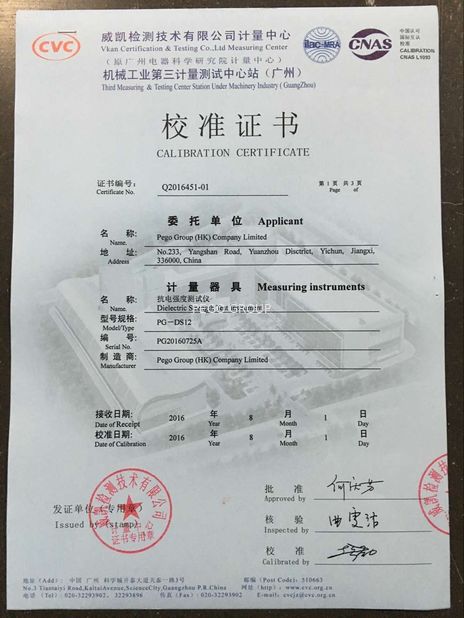
কাঁচামাল সংগ্রহ থেকে শুরু করে সমাপ্ত পণ্য সরবরাহ পর্যন্ত,অ্যালুমিনিয়াম স্ট্যান্ডার্ড পরীক্ষার পাত্রেআইইসি এবং এন মান নিয়ন্ত্রণ প্রক্রিয়া কঠোরভাবে অনুসরণ করে। প্রতিটি ইউনিট মানচিত্রের সাথে সম্মতি নিশ্চিত করার জন্য উপাদান যাচাইকরণ এবং পূর্ণ আকার পরিদর্শন করা হয়।আমরা একটি তৃতীয় পক্ষের ক্যালিব্রেশন প্রদান করতে পারেন
পাব সময় : 2026-03-25 14:38:52
>> খবর তালিকা


 আপনার বার্তাটি 20-3,000 টির মধ্যে হতে হবে!